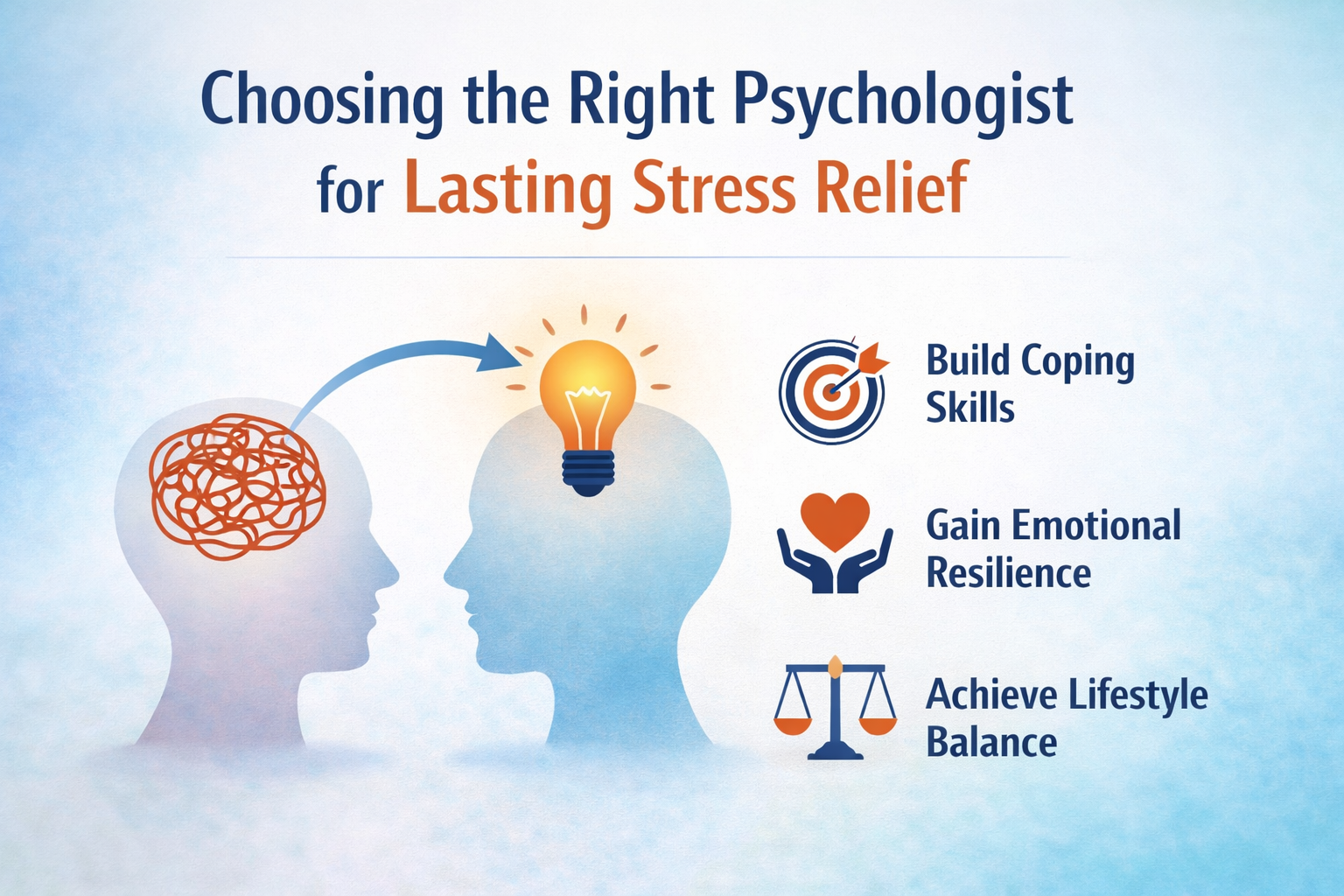
Choosing the Right Psychologist for Lasting Stress Relief
Modern lifestyles bring numerous responsibilities that often lead to emotional fatigue, anxiety, and mental overload. Many individuals begin their search for professional mental health support by looking for the Best Psychologist in Gurgaon, hoping to find guidance that helps them manage daily pressures more effectively. Choosing the right psychologist is an important decision because the quality of therapeutic support directly influences emotional growth, coping ability, and long-term mental well-being.
Understanding the Importance of Professional Psychological Support
Stress is a natural human response to challenging situations, yet when it becomes continuous or overwhelming, it can negatively affect physical health, emotional stability, relationships, and productivity. Professional psychological counseling helps individuals understand the root causes of stress instead of only addressing the symptoms. Through structured sessions, individuals learn how their thoughts, emotional responses, and behavioral patterns interact, enabling them to respond to stressful situations more calmly and effectively.
Qualities to Look for When Selecting a Psychologist
Choosing the right therapist involves more than checking qualifications. Emotional comfort, trust, and communication style play a significant role in successful therapy outcomes. A suitable psychologist should create a non-judgmental environment where individuals feel safe expressing their concerns openly. Important qualities to consider include:
- Professional training and relevant clinical experience
- Ability to listen attentively and respond empathetically
- Clear explanation of therapy approaches and goals
- Respect for confidentiality and personal boundaries
- A collaborative approach that involves the client in the healing process
Why Personal Compatibility Matters in Therapy
Therapy works best when individuals feel comfortable discussing their emotions honestly. Personal compatibility between the therapist and the client helps build trust, which encourages openness and deeper self-exploration. When individuals feel understood and supported, they are more likely to participate actively in sessions and apply learned coping strategies in their daily lives. This collaborative relationship becomes the foundation for meaningful emotional transformation.
Common Areas Addressed During Stress Counseling
Psychological therapy focuses on multiple aspects of mental well-being. While stress management is often the primary goal, sessions may also address related challenges such as anxiety, sleep disturbances, relationship conflicts, workplace pressure, self-esteem concerns, and emotional burnout. By understanding the interconnected nature of these issues, therapy provides comprehensive support rather than isolated solutions.
Effective Techniques Used in Stress Therapy
Professional psychologists use evidence-based methods designed to help individuals manage stress effectively. Some commonly used techniques include:
- Cognitive restructuring to change negative thinking patterns
- Mindfulness practices that promote emotional awareness
- Breathing and relaxation exercises to reduce physical tension
- Behavioral strategies that encourage healthier daily habits
- Goal-setting methods that provide clarity and motivation
These techniques are personalized according to the individual’s lifestyle and emotional needs, ensuring that the strategies remain practical and sustainable.
The Role of Self-Awareness in Emotional Resilience
A major outcome of psychological counseling is increased self-awareness. Individuals begin to recognize emotional triggers, habitual thought patterns, and behavioral responses that contribute to stress. This awareness empowers them to make conscious choices rather than reacting automatically to challenging situations. Over time, improved self-awareness strengthens emotional resilience and promotes better decision-making across personal and professional environments.
How Therapy Improves Relationships and Communication
Stress often affects interpersonal relationships by causing irritability, impatience, or withdrawal. Therapy helps individuals develop healthier communication skills, emotional regulation techniques, and empathetic listening abilities. As communication improves, misunderstandings decrease and relationships become more supportive and stable. Strong personal relationships act as protective factors against future stress, contributing to overall mental well-being.
Maintaining Progress After Therapy
Emotional improvement does not end when therapy sessions conclude. Maintaining progress requires consistent application of the techniques learned during counseling. Individuals are encouraged to continue practicing mindfulness exercises, healthy communication habits, structured time management, and regular self-reflection. Journaling daily experiences or emotional responses can help track personal growth and identify patterns that may need attention.
Supportive social connections also play an important role in sustaining emotional balance, as positive relationships provide encouragement during challenging periods. Long-term mental wellness develops through small but consistent actions. When individuals remain aware of their emotional needs and actively practice healthy coping strategies, they strengthen resilience and prevent stress from accumulating again.
Breaking the Stigma Around Seeking Mental Health Support
Despite growing awareness, some individuals hesitate to seek counseling due to social stigma or misconceptions. Mental health care should be viewed in the same way as physical health care. Just as regular medical checkups maintain physical fitness, psychological counseling supports emotional clarity and mental strength. Encouraging open conversations about mental wellness helps create a culture where seeking help becomes a normal and respected step toward personal growth.
A Step Toward Sustainable Emotional Well-Being
Life will always present challenges, but individuals who receive professional psychological support are better equipped to handle them with confidence and calmness. Therapy encourages balanced thinking, healthier coping strategies, and improved emotional awareness, enabling individuals to build resilience over time. For those seeking structured guidance and long-term emotional stability, consulting a qualified stress management therapist Gurugram can become the beginning of a healthier, more balanced, and emotionally fulfilling life journey.